Our Approach
Four steps, learned in the field. We match demand and supply: a product people want and can afford, designed for the climate it must work in, and made and installed by a local market that can keep delivering it.
Good solutions fail when one piece is missing
Communities rarely lack interest. They lack a complete product and a local market that can deliver it. We learned this building household sanitation, and it holds for water, waste and beyond.
What usually happens
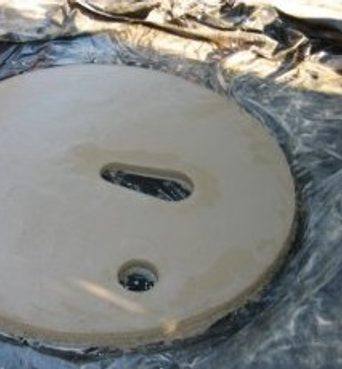
- Partial products. A slab without the rest of the toilet, or a design without a local supplier.
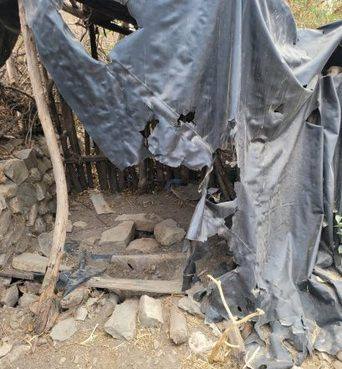
- The family as its own contractor. Materials, transport and labour all arranged separately, so costs rise and work stalls.
- Projects end, markets vanish. Molds, skills and suppliers scatter when the funding stops.
- Built for yesterday's climate. Pits and tanks that flood, collapse in heavy rain or run dry, and release methane.
What we build instead
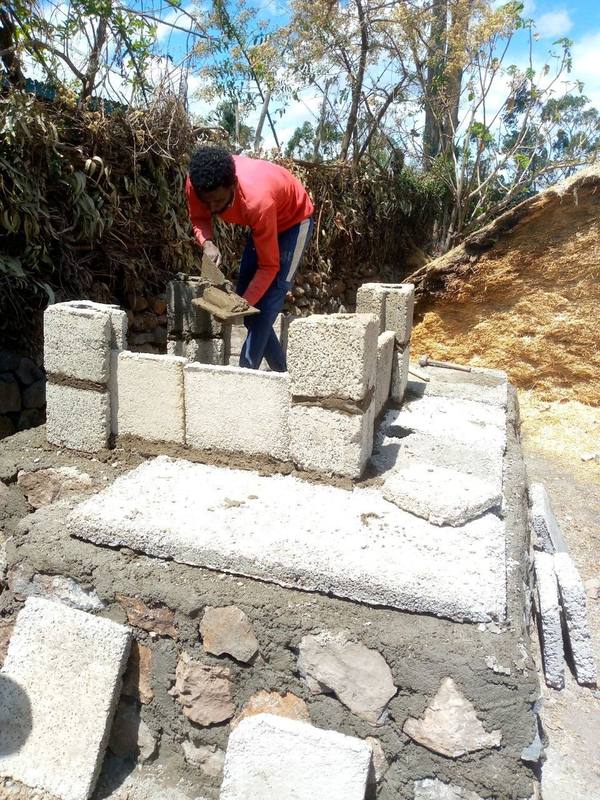
- A complete, standard product that local artisans can produce and install reliably.
- A local supply chain of producers, trained artisans and lenders, where each earns a fair margin.
- Capacity that stays. The market keeps working after any single programme ends.
- Designed for today's climate. Solutions that keep working through floods, drought and heat, with lower emissions.
Find the real bottleneck
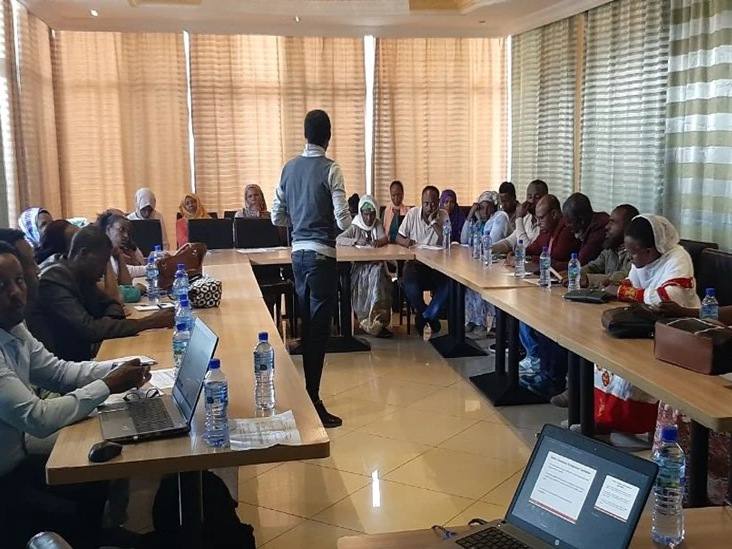
We start in the field, not at the drawing board. Structured scoping with households, producers, artisans, lenders and local government shows why a need is not being met, and which product or step is missing.
- Household demand, willingness and ability to pay, and practical constraints
- Who supplies and builds what, and where the chain breaks
- Finance appetite and the role of local authorities
- Climate hazards (floods, drought, heavy rain, heat) and how today's systems fail under them
Engineer for field realities and a changing climate
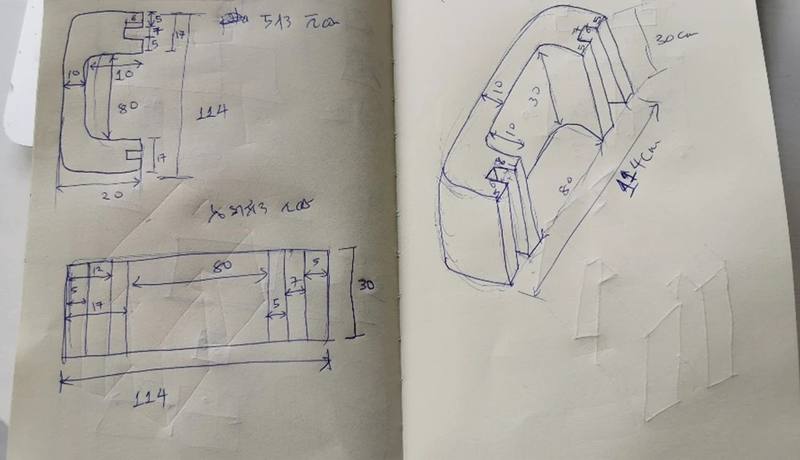
We design the missing product around the people who will make, carry, install and use it: from sketches to molds to prototypes, tested with artisans and households and refined until it works every time.
- Complete, standard designs that remove guesswork on site
- Weight, handling and assembly sized for local artisans
- Tested with early adopters for use, dignity and safety
- Climate-proof by design: raised and lined where floods hit, low water and no power where drought and outages do, and lower emissions
Grow the supply around the product
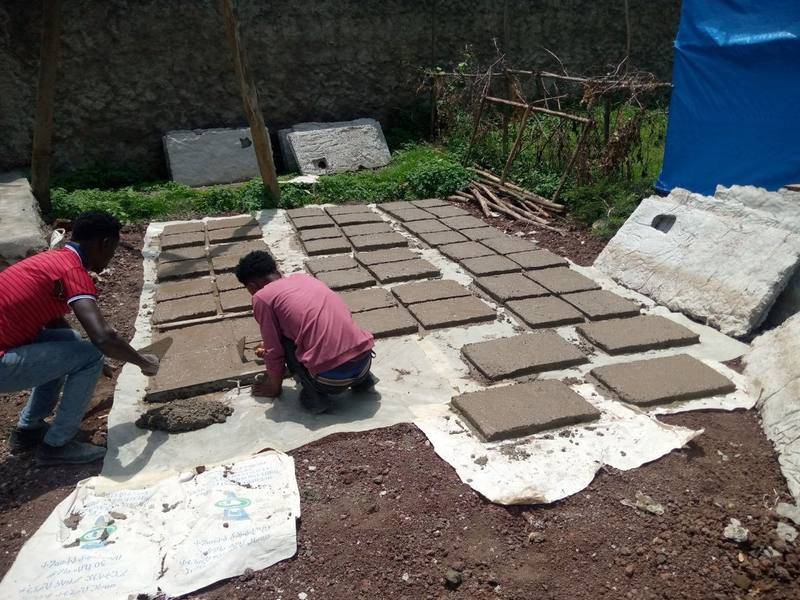
We equip local enterprises with molds and production standards, train artisans, and connect demand with finance, making sure every actor earns a fair margin so the system sustains itself.
- Molds, mix designs and quality routines for producers
- Practical artisan training, including climate-proof construction, and enterprise support
- Marketing, demand screening and links to local lenders
Start small, then scale
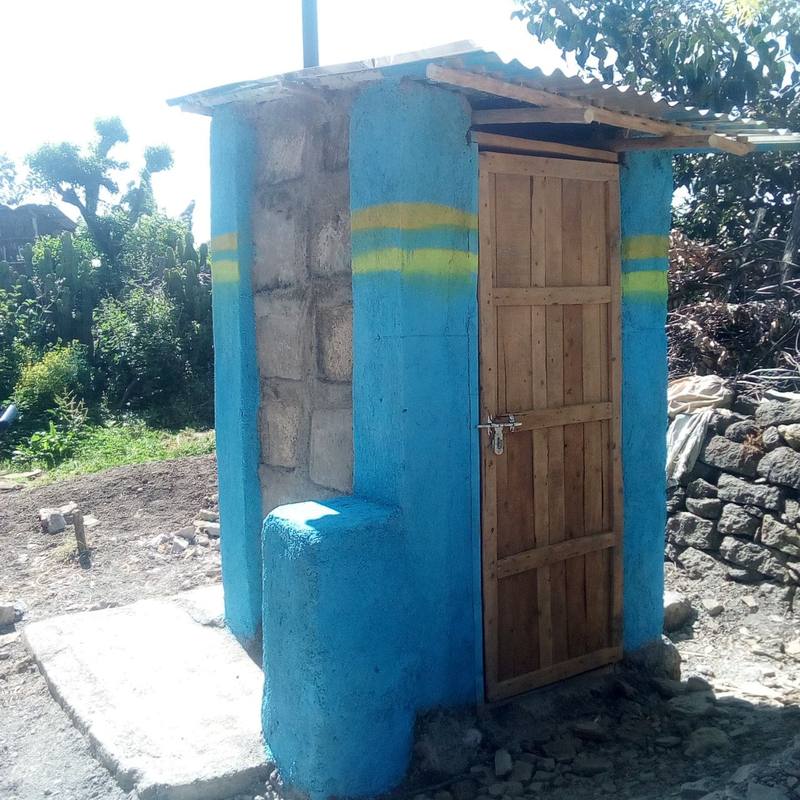
A small-scale implementation proves the product, the unit economics and the delivery model. Then we expand region by region, with photo-based digital monitoring that keeps quality consistent across many independent enterprises.
- Pilot first, scale second
- Digital quality tracking at every site
- Performance checked after rainy seasons and extreme events
- Lessons fed back into the design and training
Principles we don't compromise on
- Complete, not partial. Solve the whole problem for the user, not one piece of it.
- Local ownership. Local businesses produce and install; we don't take over the market.
- Affordable by design. Engineered around what households and cities can actually pay.
- Commercially sustainable. Every actor earns a fair margin, without permanent subsidy.
- Dignity and safety. Especially for women, children and people with limited mobility.
- Evidence first. Test small, measure, and only then scale.
- Climate-smart by design. Keeps working through floods, drought and heat, and cuts emissions.
A double bottom line
We run as a business so the impact lasts. Revenue from products, engineering and training funds the work; the social return is built into how the model works.
Commercial engine
- Product and mold supply to local producers
- Engineering design and advisory contracts
- Training and technical partnership in programmes
Social return
- Safe, lockable, easy-to-clean toilets that replace hazardous latrines
- Jobs and income for local enterprises and artisans
- Money spent on sanitation stays in the local economy
- Services that hold up through floods and droughts, with lower emissions
Sustainable
Resource recovery, circular solutions and lower emissions.
Inclusive
Local jobs and skills, with safety for women and children.
Climate-resilient
Keeps working through floods, drought and heat.
Scalable
From pilot to region, with consistent quality.
Starting a new programme or market?
We can run the diagnosis with you, including the climate risks, and show where a proven, climate-smart product and ecosystem could fit.